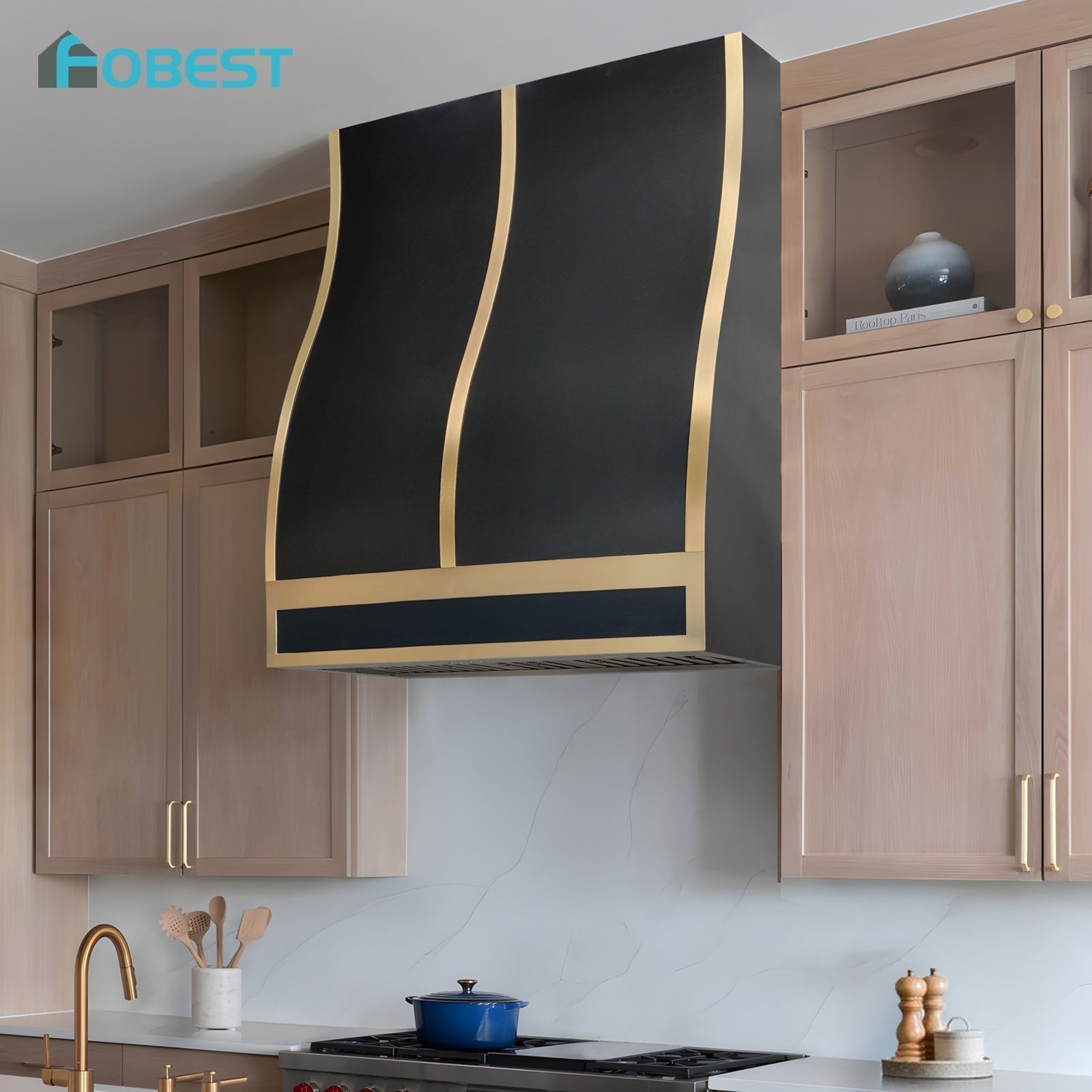
If you’re planning a kitchen renovation or upgrading your range hood, one of the most common questions is: “What CFM range hood do I actually need?”
Choosing the right CFM is important—it directly affects how effectively your kitchen removes smoke, grease, and cooking odors. Too weak, and your kitchen stays smoky. Too powerful, and you may face unnecessary noise or ventilation issues.
In this guide, we’ll break it down in a simple and practical way.
What Does CFM Mean?
CFM stands for Cubic Feet per Minute, which measures how much air a range hood can move in one minute.
In simple terms:
The higher the CFM, the more powerful the ventilation.
A higher CFM range hood can remove smoke, steam, and cooking odors more quickly, especially in heavy cooking environments.
How Much CFM Do You Need?
There is no single number that fits every kitchen, but there are general guidelines that can help you choose correctly.
✔ General Rule of Thumb
Electric cooktop: 100 CFM per 10 inches of cooktop width
Gas cooktop: 100–150 CFM per burner
This means your cooking style and stove type play a big role in determining the right ventilation power.
Factors That Affect Your CFM Choice
Choosing the right range hood is not just about stove size. Several real-life factors matter.
1. Cooking Style
Your cooking habits matter more than most people realize:
Light cooking → lower CFM is enough
Frying, grilling, wok cooking → higher CFM is recommended
If you often cook high-heat or oily dishes, stronger ventilation is essential.
2. Kitchen Size & Layout
Open-concept kitchens require more airflow power because:
Smoke spreads into living areas
Odors travel further
Air needs stronger capture efficiency
So, open kitchens usually benefit from higher CFM range hoods.
3. Duct Length & Installation
The longer or more complex your duct system is, the more airflow resistance it creates.
Short, straight duct → more efficient
Long or curved duct → may require higher CFM
4. Range Hood Design
Different hood types perform differently:
Wall-mounted hoods → more efficient airflow
Island hoods → require higher CFM due to open exposure
Custom built-in hoods → can optimize performance based on structure
So What’s the Right CFM for Most Homes?
In general, most residential kitchens fall into this range:
400–900 CFM
But the right number depends on your cooking style, kitchen layout, and ventilation design.
Instead of focusing only on numbers, it’s better to think in terms of overall kitchen performance and airflow balance.
Why Custom Range Hoods Make a Difference
Every kitchen is different—especially when it comes to layout, ceiling height, and cooking habits.
A custom range hood allows you to:
Match ventilation power to your exact cooking needs
Integrate seamlessly with your kitchen design
Optimize airflow performance for your space
At Fobest, we design handcrafted custom range hoods that balance both performance and aesthetics, ensuring your kitchen is not only beautiful but also highly functional.
Not sure what CFM you need?
At Fobest, we help homeowners design custom range hoods tailored to their kitchen size, cooking habits, and style preferences.
👉 Start your custom design today and create a kitchen that works beautifully for you.